
A patient-education reader
Metformin and blood glucose, explained from public health sources
For people who have been prescribed metformin, or who are reading up before an appointment. Six plain-language guides, each written from what MedlinePlus, NIDDK, CDC and FDA publish, with the sources named on every page. Nothing is sold here and nothing replaces your own clinician.

- The medicineWhat it is and how sources describe it working.
- The numbersBlood glucose readings and the A1C average.
- The safety pointsSide effects, warnings and when to call.
- The conversationQuestions to take to your clinician.
The reading path
Six guides, from the basics to the appointment
Each guide stands on its own, but they build on each other: what the medicine is, what the numbers mean, what to watch for, and how to talk it through with the people who prescribe it.
-
What metformin is and how it is thought to work
What it is prescribed for, how it is described as working, and what it cannot do.

-
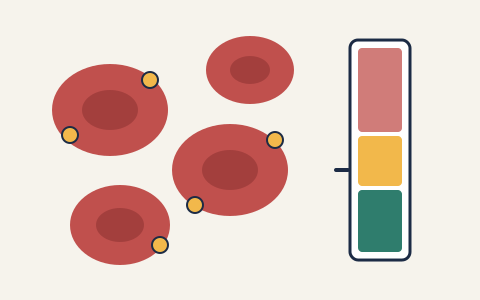
Blood glucose and A1C, explained
Daily readings, the three-month A1C average, and why targets are personal.
-
Common side effects and when to call a clinician
What is commonly reported, what to mention, and what needs urgent care.

-
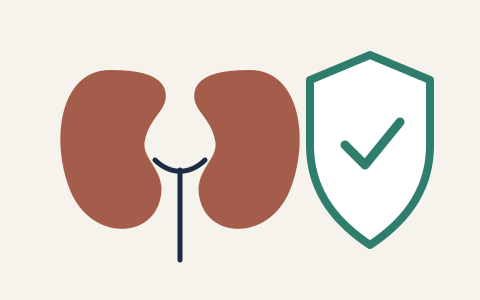
Rare but serious risks: lactic acidosis, kidney function and dye scans
Lactic acidosis, kidney checks, imaging with dye and the 2020 recalls.
-
Questions to ask your clinician about metformin
A question list for appointments, built from public health guidance.

-
Living with type 2 diabetes: the basics around the medicine
The ABCs, meals, activity, checkups and the people who can help.

How these guides are made
Public health sources, plainly retold
Medicine information online ranges from careful to dangerous. This reader takes a narrow path: it paraphrases what US public health agencies publish for patients, names those documents on every guide, and leaves every decision about your treatment to you and your clinician.
- Authoritative sources onlyMedlinePlus from the US National Library of Medicine, NIDDK, CDC and FDA. No blogs, forums or manufacturers.
- No instructions about your treatmentNo amounts, schedules or advice to begin, end or change a medicine. Those belong with your prescriber.
- Nothing soldNo products, no recommendations of any brand, no advertising and no tracking.
Going to an appointment soon?
Bring a short list of questions
Appointments go quickly. The questions guide collects questions drawn from NIDDK, MedlinePlus, CDC and FDA guidance, grouped by topic, so you can pick the ones that matter to you.